For dairy producers, improving milk yield isn’t just about pushing production, it’s about optimizing rumen health, controlling feed costs, and maintaining milk components.
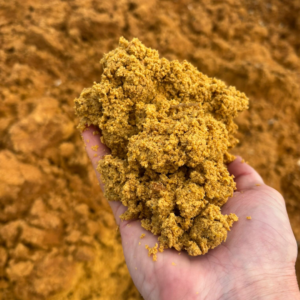
Wet Distillers Grains (WDG) are increasingly being used in high-performing dairy rations because they deliver on all three.
Recent on-farm evaluations have shown that including Wet Distillers Grains at 10 lbs as-fed resulted in a 5% increase in milk yield with no negative impact on milk components.
So what’s driving those results?
- Highly Digestible Fiber Supports Rumen Function
Milk production starts in the rumen. When rumen fermentation is efficient and stable, cows convert feed more effectively into milk.
Wet Distillers Grains provide:
- A high-quality source of protein
- Highly digestible neutral detergent fiber (NDF)
- Essential minerals that support rumen activity
The fiber in WDG ferments more readily than many traditional forage sources. This improved NDF digestibility supports:
- Better rumen fermentation
- Increased dry matter intake (DMI)
- Improved feed efficiency
In practical terms, cows utilize more of what they consume, and that translates into stronger milk output.
- Lower Fat Levels Help Maintain Milk Components
Balancing fat levels in dairy rations is critical. Excess fat can disrupt rumen function and contribute to milk fat depression.
Wet Distillers Grains contain naturally lower fat levels (typically 4–6%), helping reduce the risk of component loss while still contributing valuable energy to the ration.
In feeding trials, the increase in milk yield came without compromising butterfat or protein percentages, demonstrating that production gains were achieved through improved rumen efficiency, not ration imbalance.
- A Cost-Effective Alternative to Soybean and Canola Meal
Protein costs remain one of the largest variables in dairy nutrition. Wet Distillers Grains allow producers to reduce reliance on higher-cost ingredients such as:
- Canola meal
- Soy-based proteins
- Added fat supplements
Independent nutritionist-formulated rations have shown savings of $0.30–$0.50 per cow per day when incorporating WDG.
For a 1,000-cow dairy, that equates to $110,000–$183,000 annually, without sacrificing production performance.
When evaluating distillers grains vs soybean meal strictly on economics, WDG consistently delivers competitive protein value per dollar.
- Sustainable Feed with a Lower Carbon Footprint
Sustainability is becoming increasingly important across the dairy supply chain. Wet Distillers Grains support circular agriculture because they are produced locally as a byproduct of ethanol production.
Drying distillers grains consumes approximately 20–30% of an ethanol plant’s energy. Using WDG eliminates that drying process, significantly reducing energy use.
Additionally, dried distillers grains are often transported long distances or exported, increasing emissions. Sourcing wet product locally:
- Reduces transport emissions
- Keeps feed dollars within the regional economy
- Supports lower-carbon milk production systems
For dairies working with processors on sustainability metrics, this can be a meaningful advantage.
- Consistent Supply and Nutritional Reliability
Feed performance depends on consistency.
Wet Distillers Grains are manufactured through a controlled, continuous production process, with two years of historical analysis confirming stable nutritional values.
Reliable supply chains and dedicated haulage reduce the risk of disruption — ensuring ration stability and predictable results.
Why Wet Distillers Grains Improve Milk Yield?
Improved milk yield from WDG inclusion is not the result of a single factor. It’s the combination of:
- Highly digestible fiber improving rumen fermentation
- Quality protein supporting milk synthesis
- Balanced fat levels protecting components
- Greater feed efficiency driving DMI
- Reduced ration cost allowing optimized formulation
The outcome is straightforward: higher milk output, stable components, and improved income over feed cost.
Considering Wet Distillers Grains for Your Dairy Ration?
Every herd is different. Inclusion rates, forage base, and production targets all influence how Wet Distillers Grains should be incorporated.
If you’re evaluating ways to improve milk yield while reducing feed costs, a ration review can determine how WDG would perform within your system
.